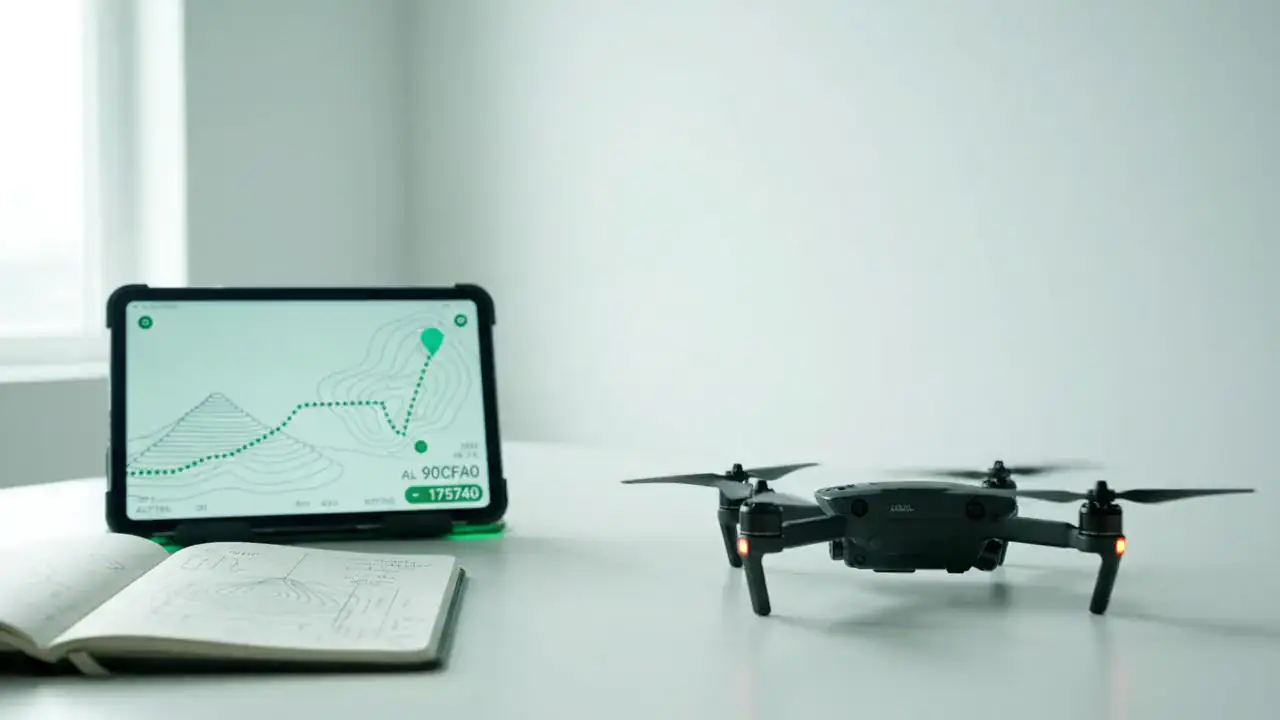
Researched, built and proven here. Quietly.
A research and development house in Kathmandu. School robotics, learning platforms for a federal country, fair public queues and survey drones for terraced terrain — each one proven on our own teams first.
GRobotics, Gnepal LMS, EltNepal, Queuing System, Aerial Systems, Narojeko Bato
- Shared R&D foundation behind every venture
- 1
- Robotics curriculum, first circuits to autonomous robots
- K–12
- Researched, built and proven in-house before release
- 100%
The method
Gnepal is not a software vendor.
It is a research and development group — one shared laboratory of engineers, teachers and operators whose findings become ventures. Everything we release has lived first as a question, then a prototype, then a tool our own teams depended on. Only then does it become a product.
Question
Every venture starts as a question about how Nepal learns and works.
Prototype
The answer is built small, on the foundation every venture shares.
Internal tool
Our own teams depend on it daily, long before anyone else sees it.
Product
Only what survives that use is released. Nothing skips a step.
The findings
Every venture began as a question.
These are the questions Gnepal took into its laboratory — and the answers, at their current stage. Each one was studied against Nepali realities, prototyped on our shared foundation, and hardened by our own daily use before facing the world.
Education
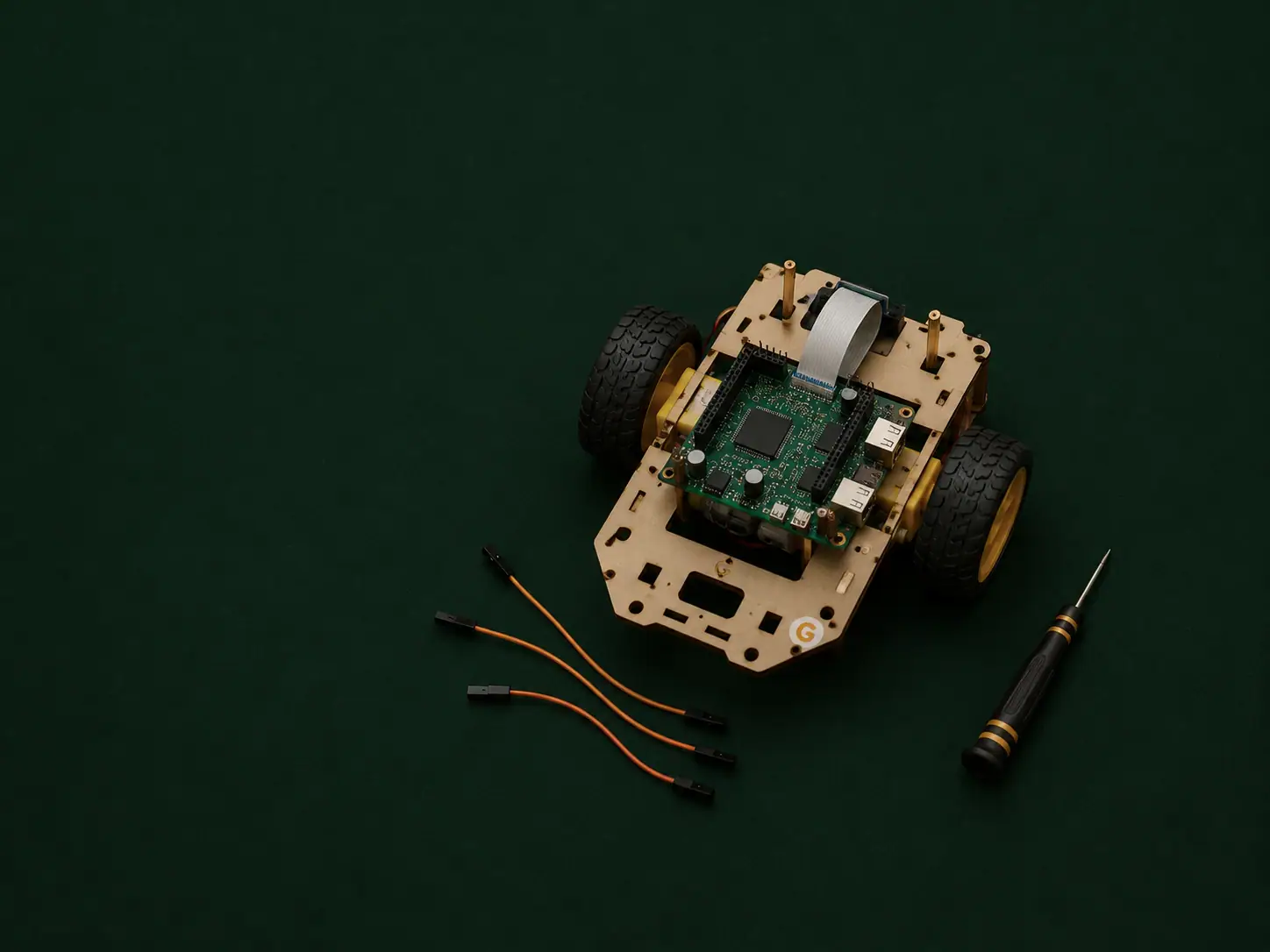
GRobotics
“How should a Nepali child learn robotics?”
Our deepest research programme, answered as a full K–12 curriculum, hands-on kits and a classroom model any school can run — engineering made exciting and reachable.
Flagship, in development
Education and civic
Gnepal LMS
“What does a learning platform look like when it’s designed for a federal Nepal?”
Not adapted to the province structure — architected around it. Years of development into a platform where each province is its own world on one shared foundation.
Live, province rollouts ahead

Education
EltNepal
“Why do language learners get lost halfway — and how do we stop losing them?”
Where the group’s research began. English Language Training, rebuilt as a multi-course academy where every enquiry, trial student and alumnus is tracked, nurtured and never lost.
Revamp underway

Civic and government
Queuing System
“What would a fair queue at a government counter look like?”
An ongoing study of Nepal’s most frustrating civic experience — redesigned as a visible, orderly, dignified process for every citizen, at every level of tech comfort.
In development
Research and field systems
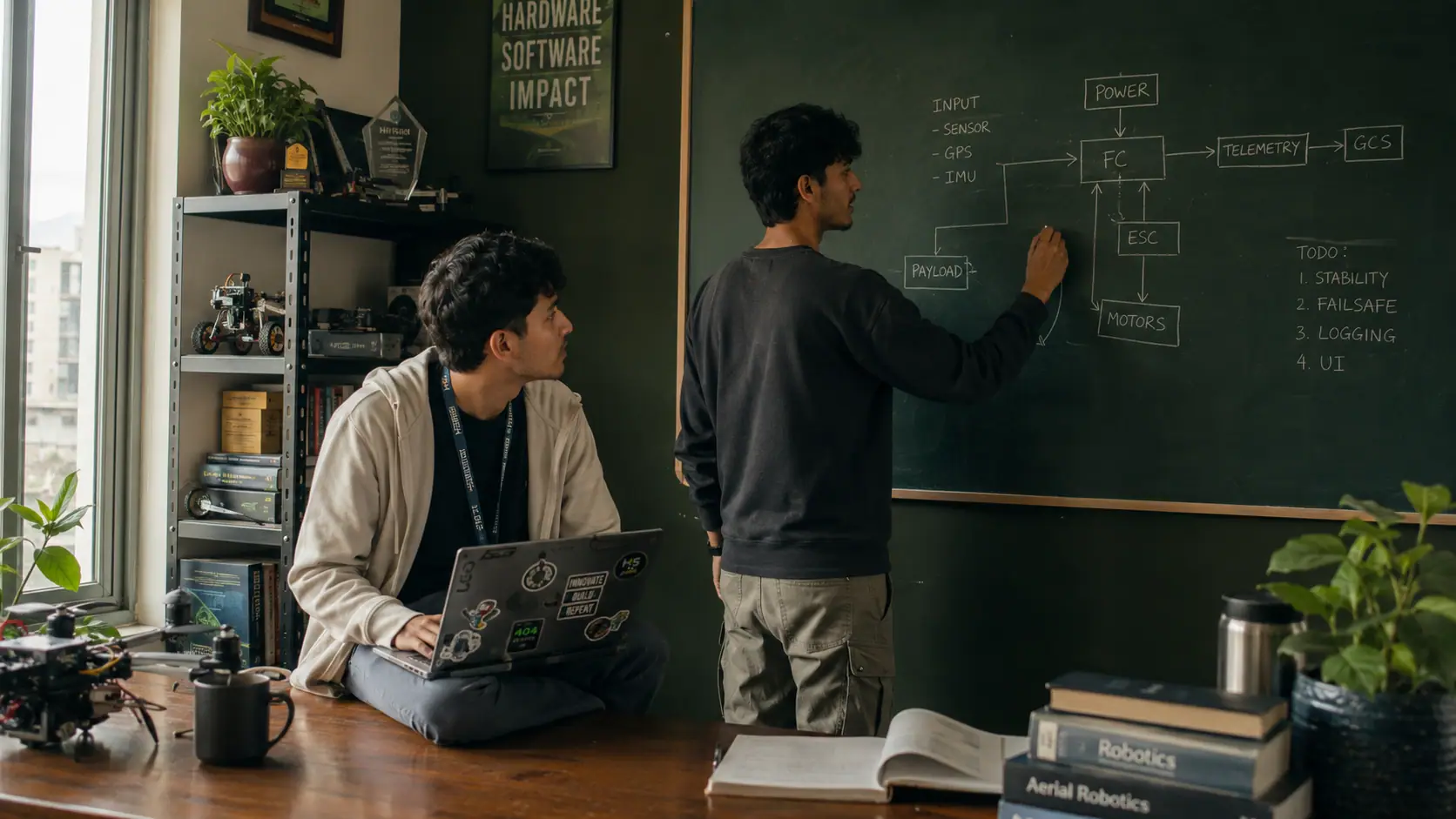
Aerial Systems
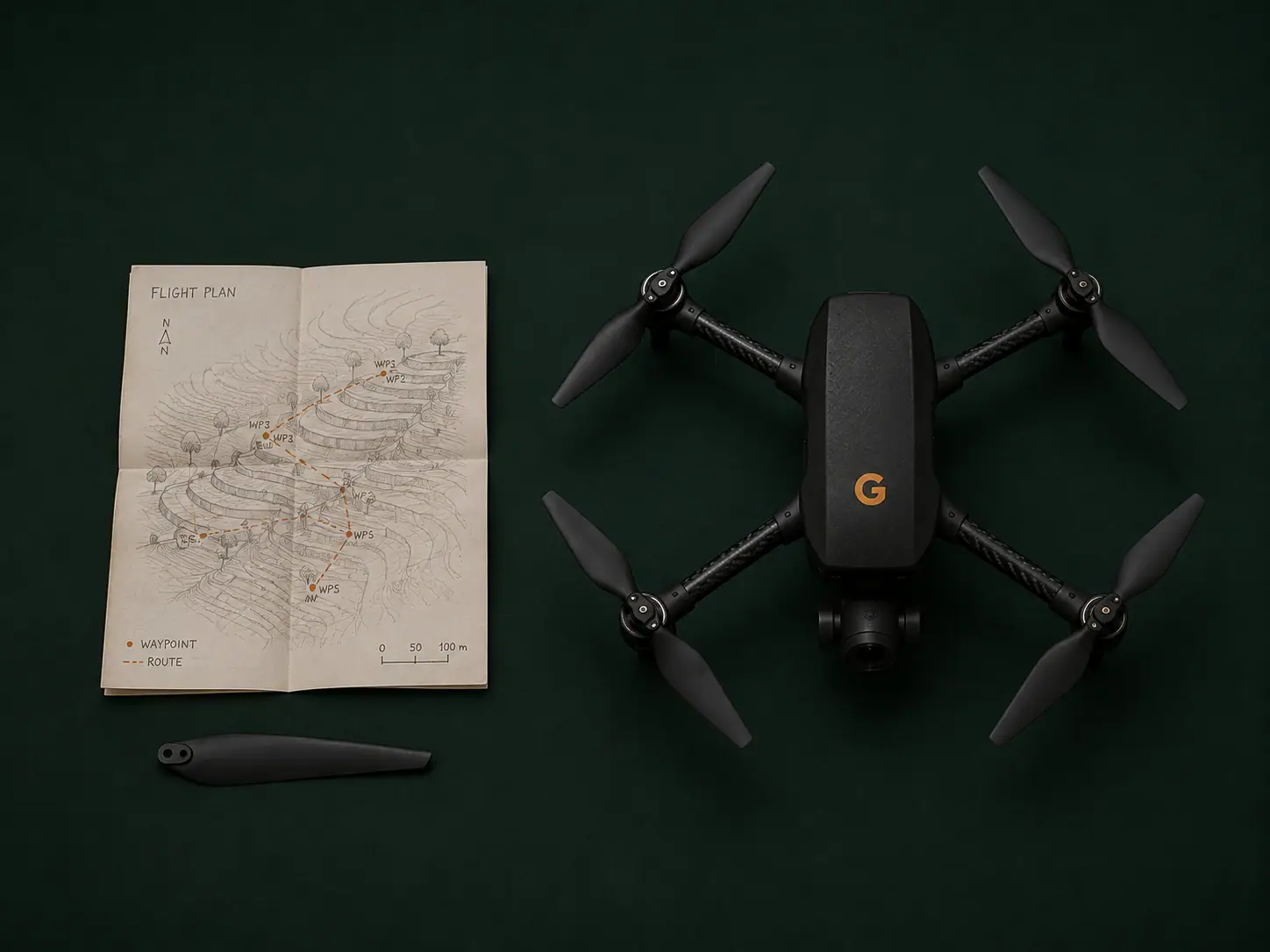
“What can Nepal’s terrain tell us, seen from above?”
Survey drones developed for terraced hillsides and scattered settlements — waypoint flight plans and aerial data that turn slopes into maps, and maps into decisions.
In development

Publishing
Narojeko Bato
“Can one book, sold well, seed a publishing house?”
The online home of the book by Aamod dai — one meaningful product carried on our own infrastructure, and a quiet experiment in what Gnepal publishing could become.
Storefront
The programmes
Where our development work runs deepest.
The ventures above are the public findings. These are the programmes that produce them — the same team and the same question, refined against real classrooms, counters and hillsides, year after year.
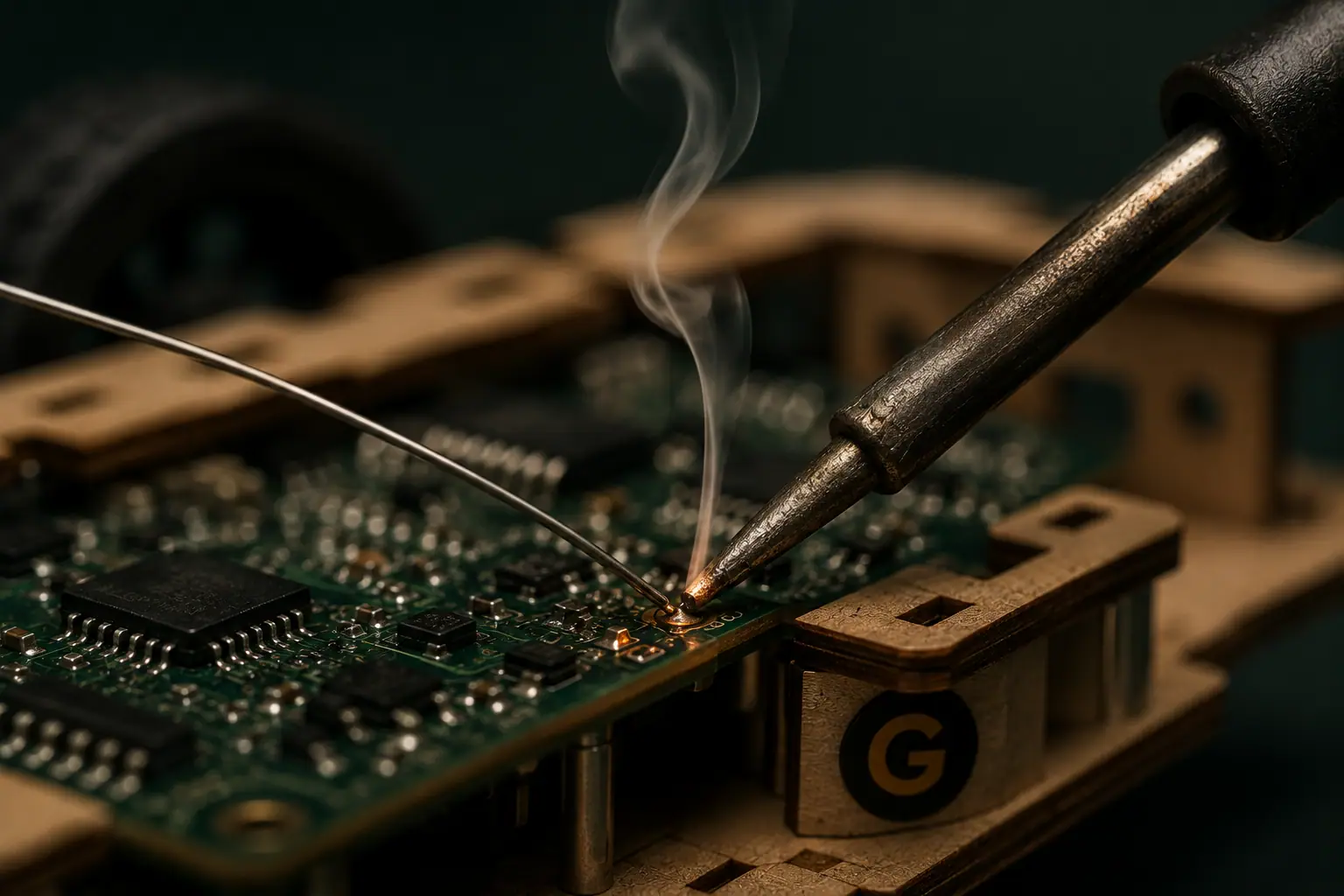
STEM & Robotics Education
Developing a complete robotics education model for Nepali schools — curriculum design, hands-on kits, teacher training, and a pathway from first circuits to autonomous robots.
K–12 curriculum
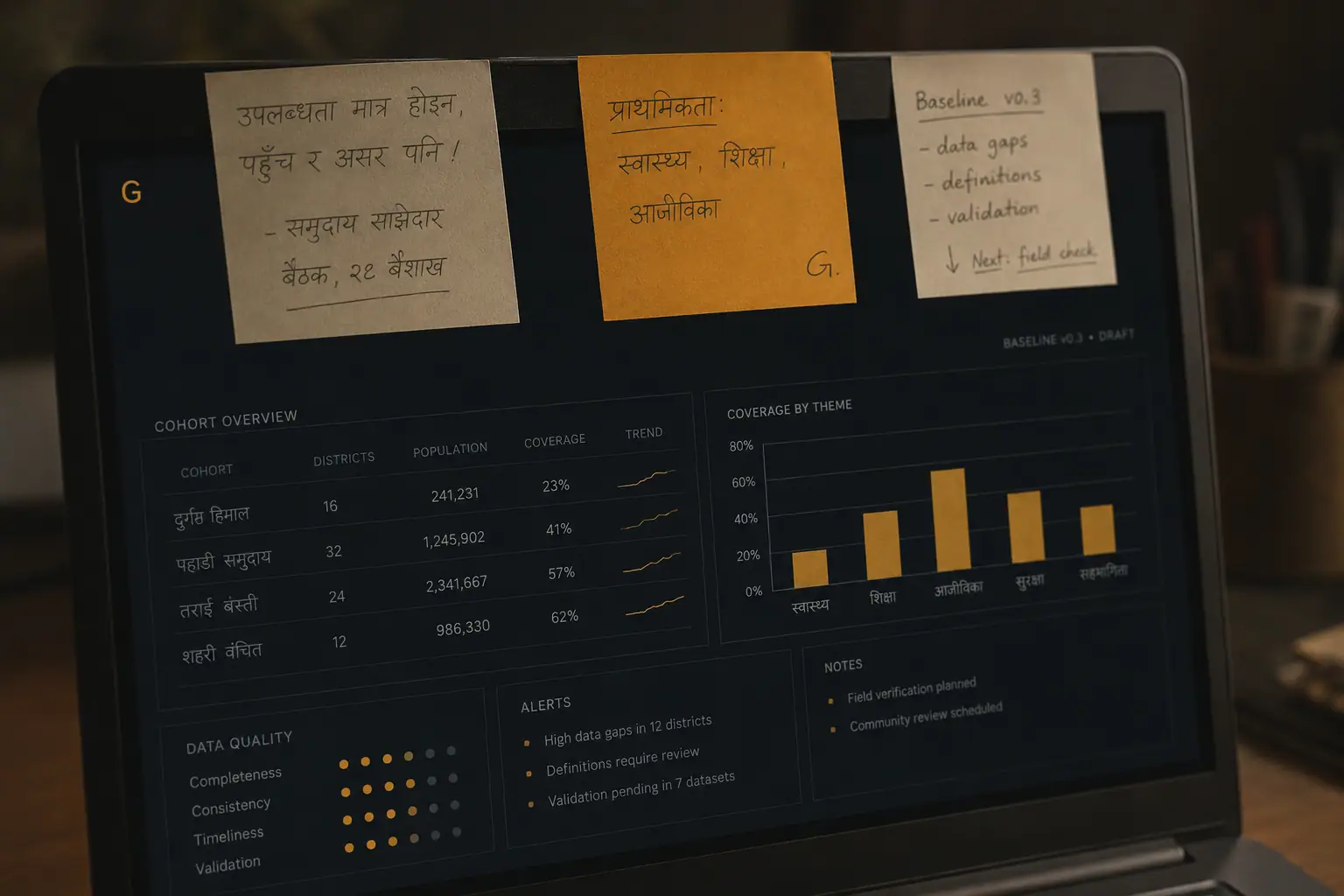
Learning Systems
Learning management built for Nepal’s federal structure — province-scoped deployments, cohort management, and the reporting depth institutions need for real oversight.
Province rollouts
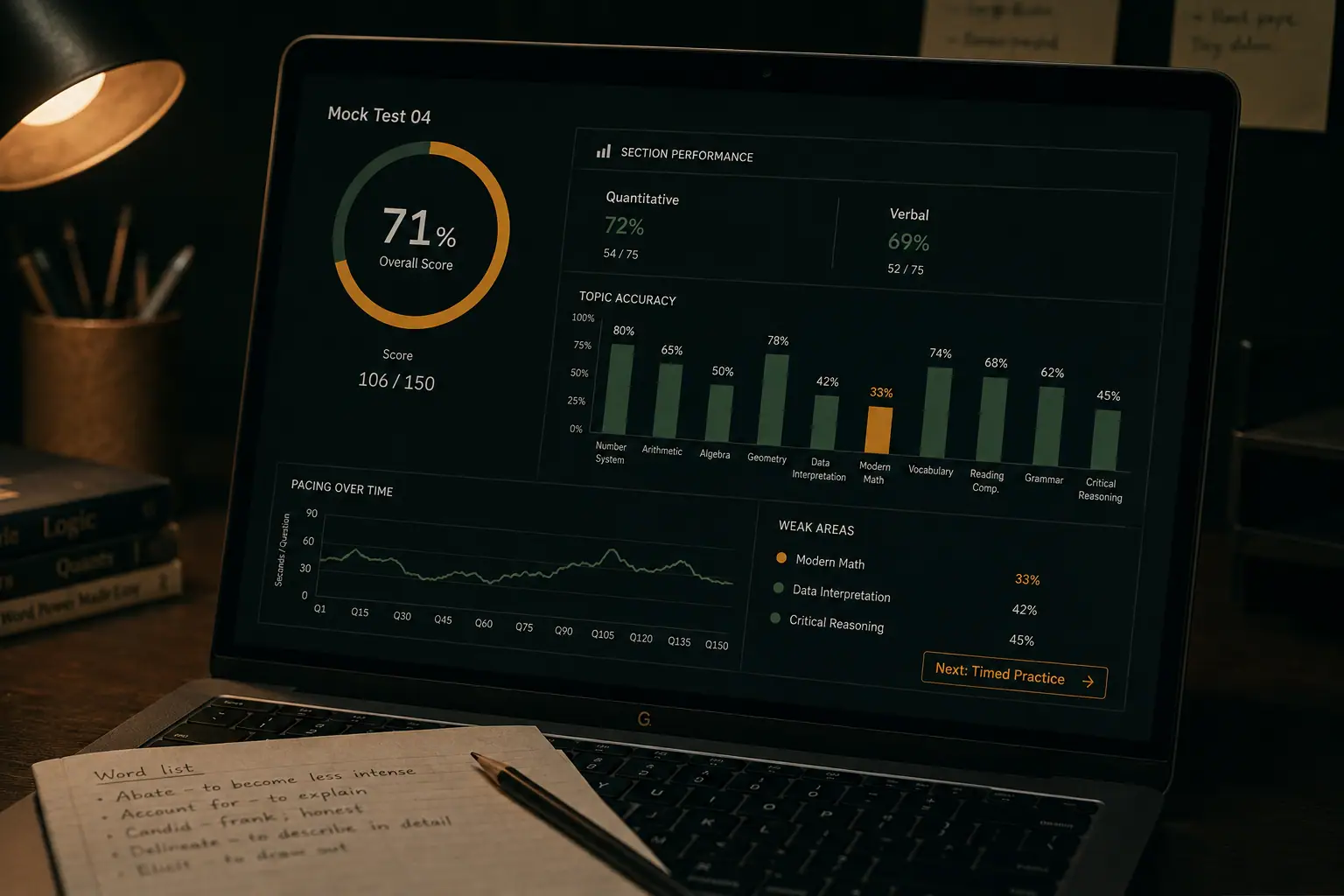
Assessment Science
How candidates actually improve: question banks organised by difficulty, timed mock conditions, and analytics that turn every attempt into a sharper study plan.
Adaptive testing
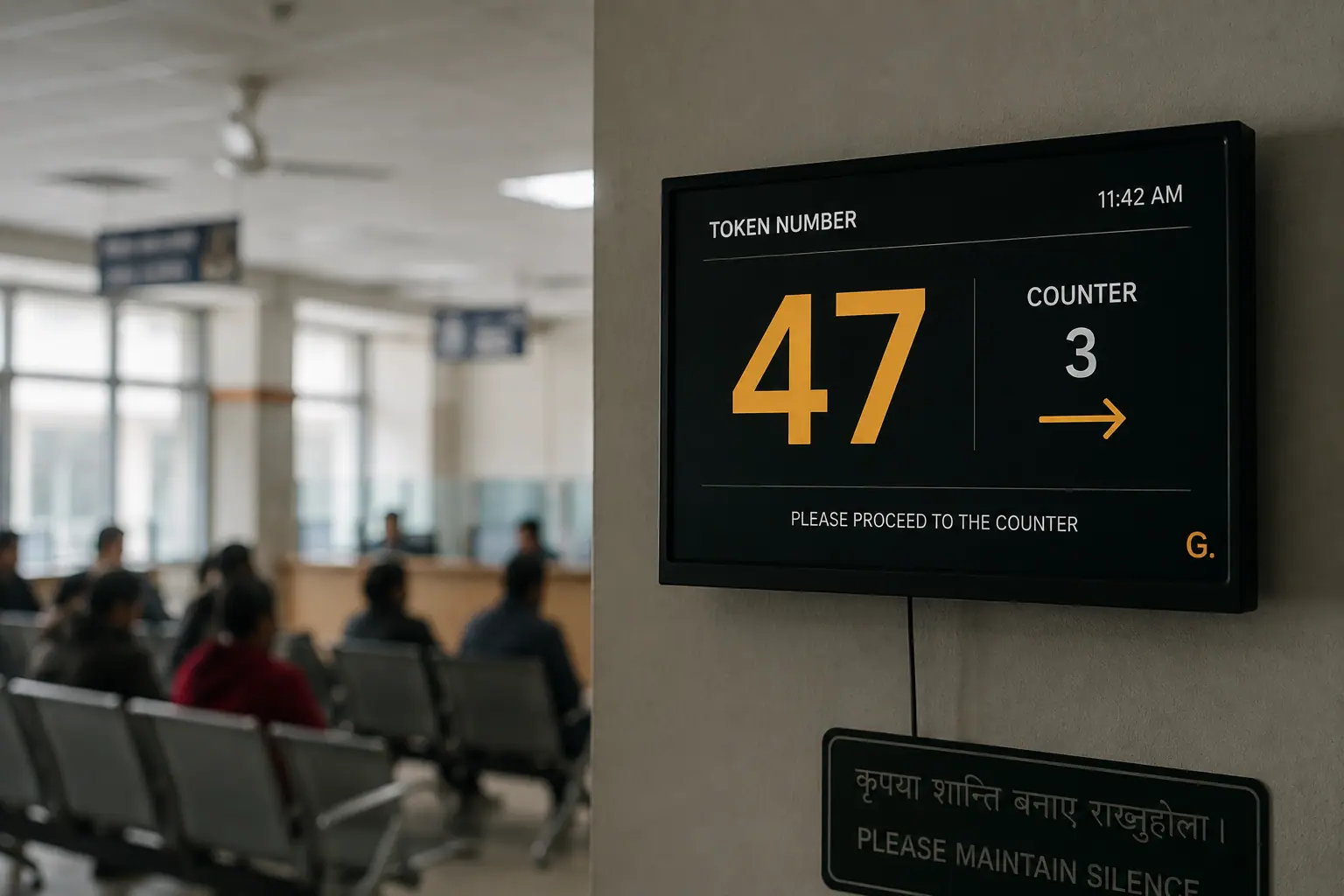
Civic Systems
Technology for the public counter — token issuance, live displays and SMS call-ups — studied around every level of literacy and tech comfort a government office serves.
Public counters
Working on one of these questions yourself? Start a conversation
The proof
Claims are cheap. Here’s what survived us.
Three honest accounts from inside the group — a live product still being studied, the internal tools that run our own days, and what happens when years of research compound into a new venture.
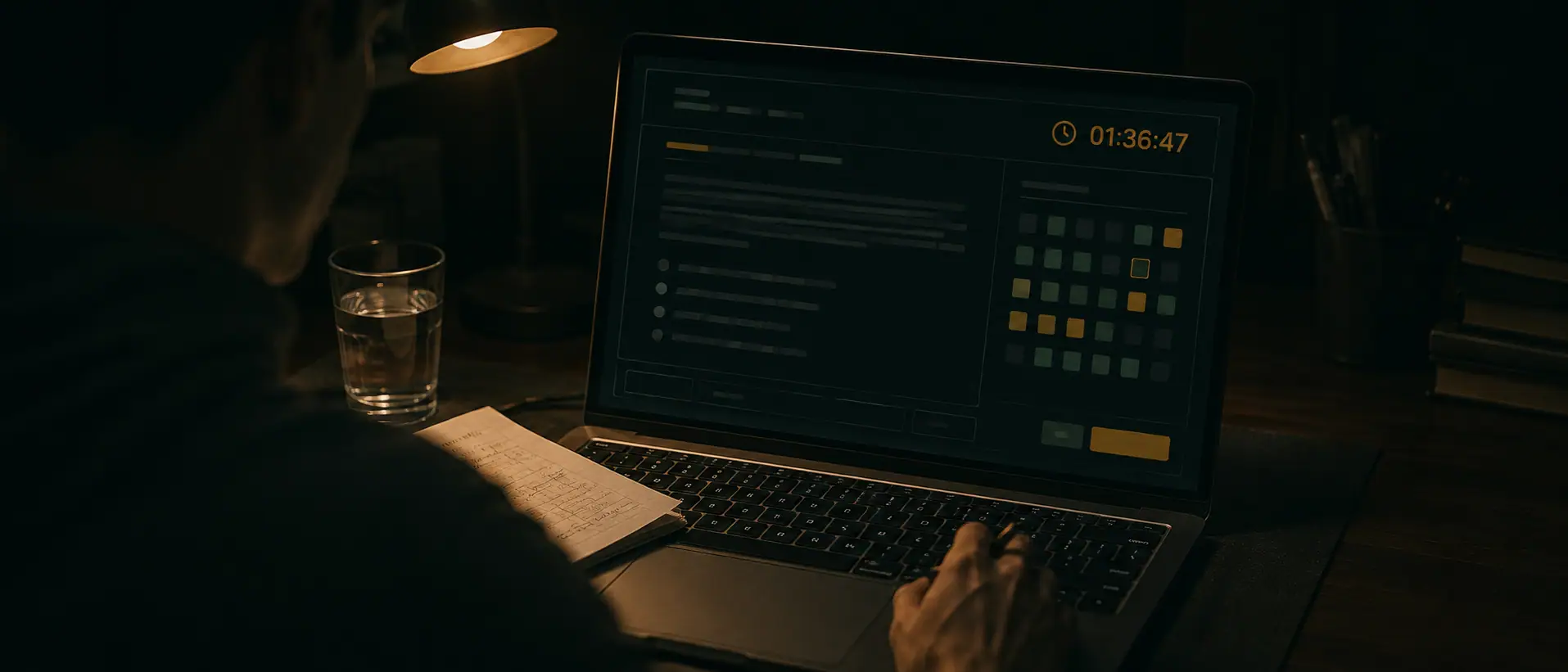
Exam Prep: A Live Product, Still Under Study
Our exam preparation product is live and serving candidates today — structured question practice, mock testing, and honest feedback on where a candidate stands. And it remains an active research subject: behind it we are developing its next form, a GMAT-style engine with sectioned exams, timed conditions, tiered difficulty, and analytics that turn every attempt into a sharper study plan.
- Live
- Serving candidates today
- GMAT-Style
- Adaptive engine in development
- Per-Topic
- Accuracy, pacing and weakness maps
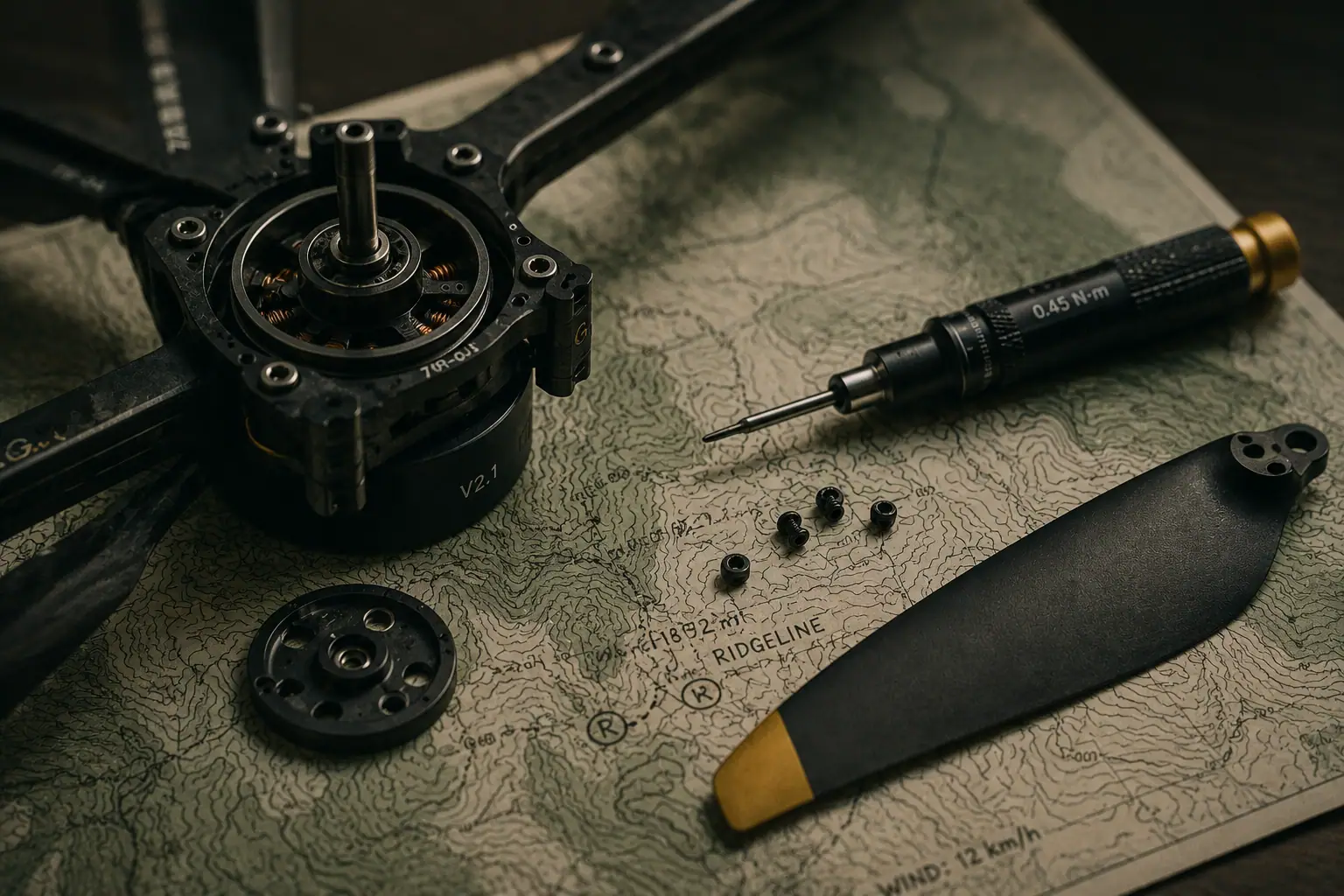
The Group Is Its Own Laboratory
Task management, content and social publishing, commerce and inventory, bulk email and SMS — the systems that run Gnepal day to day were all developed by Gnepal. Each one doubles as live research: months of real, unforgiving internal use tell us what works, what breaks, and what deserves to become a product. By the time anything is offered outward, it has already been proven on the most demanding subject we know — ourselves.
- Subject Zero
- Our own teams, every time
- Daily Use
- Across every group function
- One Engine
- Powering email and SMS for all brands
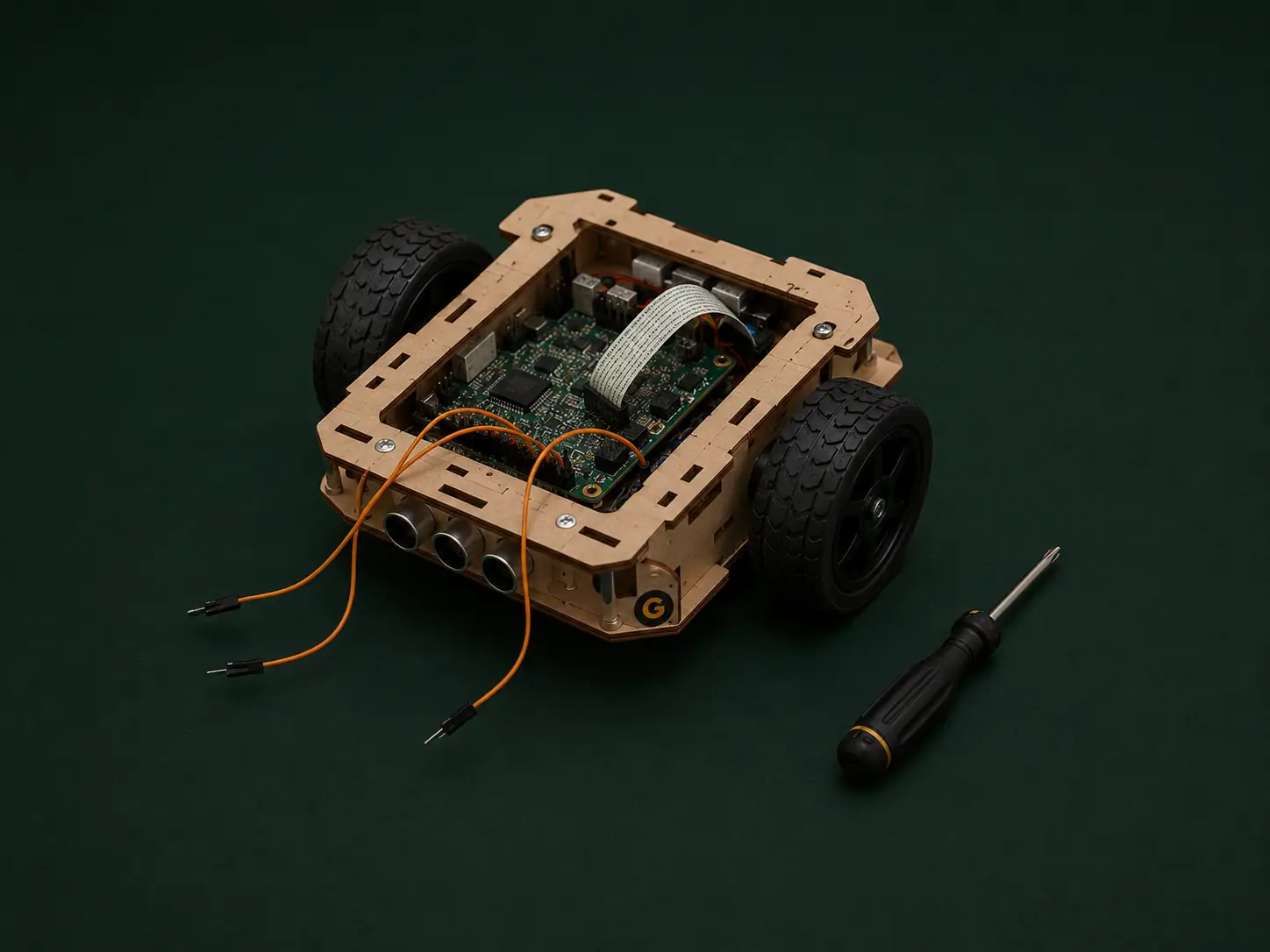
GRobotics: When Research Compounds
When the group turned to robotics education, years of prior development were waiting for it. Courses, cohorts, assessments and progress tracking were already solved on the shared stack — so the team could pour everything into the real research questions: what a Nepali robotics curriculum should teach, what a kit should cost and contain, and how a teacher without an engineering degree delivers it. The first lesson shipped in weeks, not years.
- Weeks
- From decision to launch-ready
- 1 Foundation
- Reused across the group
- K–12
- School robotics curriculum
The discipline
Why the slow way wins.
Depth
Research First. Product Second.
We don’t start from a sales pitch — we start from a question about how Nepal learns and works. What we release is a finding, not a promise: studied, prototyped, and proven on our own teams before it’s offered outward.
- Every venture begins as an internal research programme
- Our own teams are always subject zero
- Nothing ships that hasn’t survived our own daily use
Agility
One Foundation. Faster Every Time.
Because every programme builds on the same shared R&D foundation, each new venture starts where the last one finished. Findings compound — infrastructure, patterns and lessons carry forward, so new work launches in weeks, not years.
- A shared stack that every new venture inherits
- From single-school pilots to province-scale designs
- Bilingual, mobile-first, and honest about bandwidth
Trust
Developed to Government-Grade Standards
Our learning and civic systems are being developed for the most demanding user there is: the public sector. Clarity, accessibility and dependability under real Nepali conditions aren’t features we add later — they are the standard the research is held to from day one.
- Government-grade standards built in from the start
- SMS-first reach where apps and data don’t go
- Accessible by design, in Nepali and English
The origin
It started with one question we couldn’t ignore.
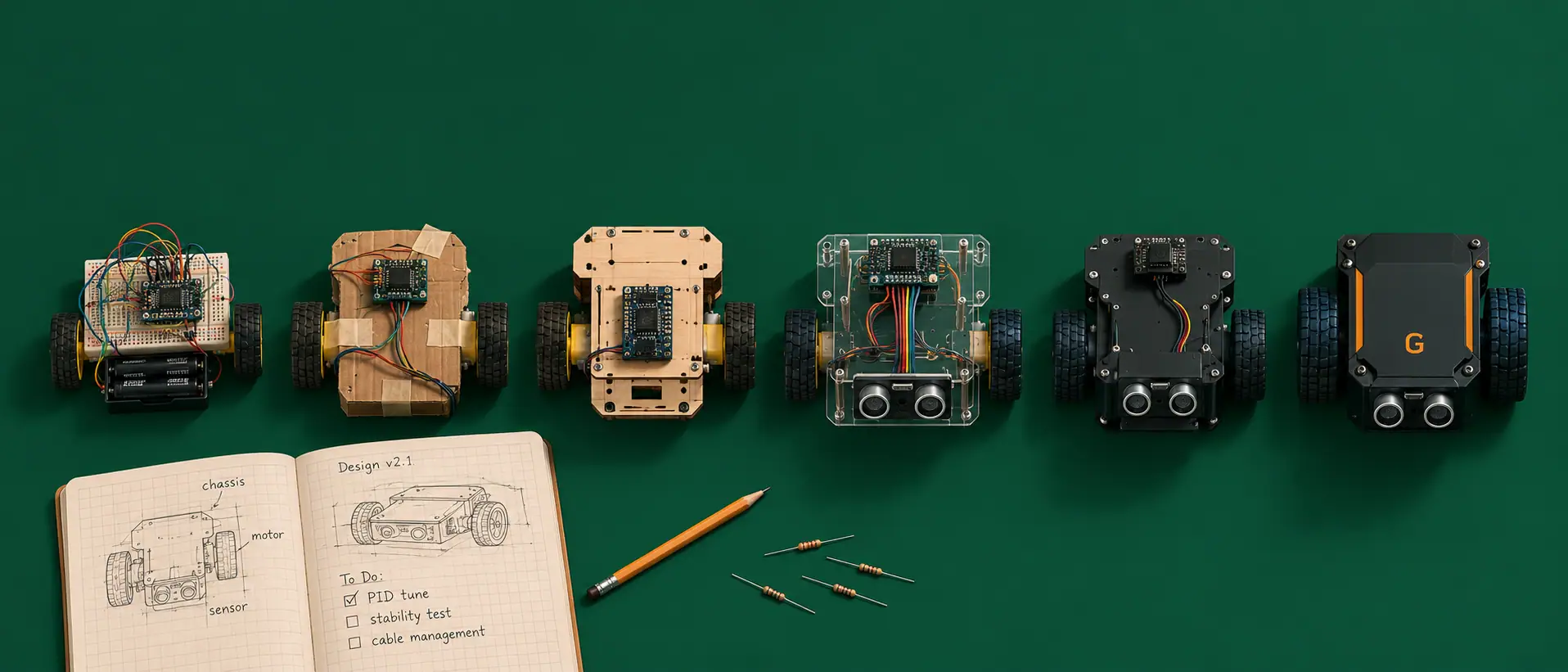
One notebook, kept for years. Every venture on this page started inside it.
Gnepal began with a single tool we built to answer our own problem — and the habit stuck. Ask a question about how Nepal learns and works. Write it in a notebook. Develop the answer. Prove it on ourselves. Release it only when it’s ready. The family will keep growing. The loop never changes.
Careers
Do the kind of work that takes years — and matters for decades.
Gnepal brings together engineers, teachers, researchers and operators who would rather solve a hard problem properly than ship a shallow one quickly. If you want to study how Nepal learns and works — and build the answers — you’ll be at home here.
Get in touch
Tell us the question you’re sitting with.
If it is one we have already taken into the laboratory, you will get more than a sales reply. A person reads every message; expect an answer within two working days.
You’ve read the story. The next chapter can include you.
If you’re a school that wants robotics in its classrooms, a province weighing its digital learning layer, an office ready to fix its queue, or a partner who believes in the slow, honest way — this whole website was our proposal. The conversation is the reply.
Email
Phone
Where we are
Kathmandu, Nepal